We use Cookies to make your experience better. To comply with the e-Privacy directive, we need to ask for your consent to set the cookies.











Colds and Flu in Babies and Children: Signs, Symptoms, Treatment and When to Seek Help.
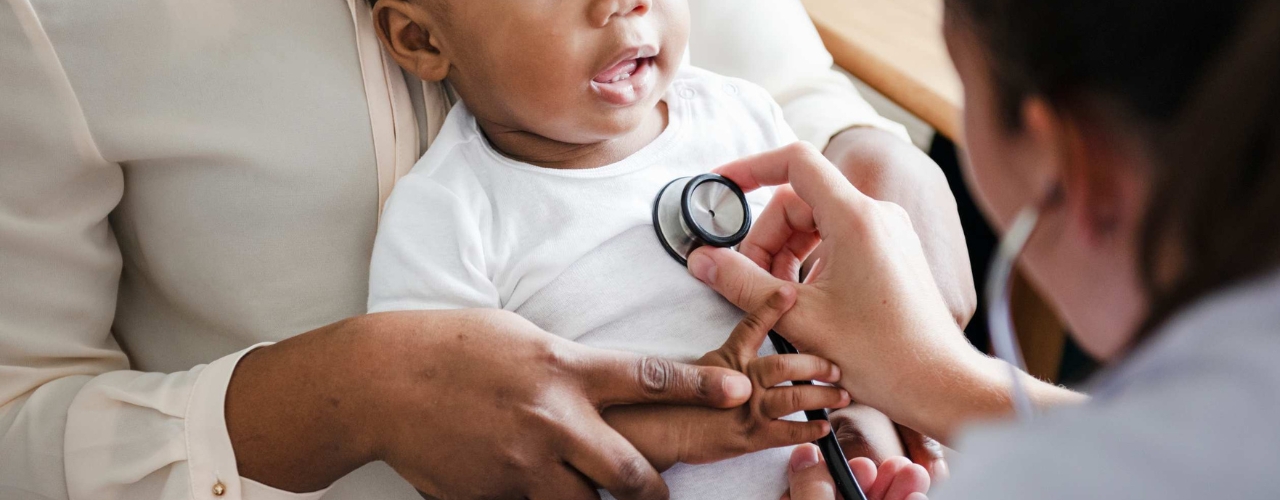
Colds and flu are extremely common during the colder months, particularly in young children attending crèches and schools. Although these illnesses are usually caused by viruses and often resolve on their own, they can be stressful for parents and occasionally lead to complications.
Understanding the difference between a common cold and influenza (flu), knowing how to manage symptoms at home, and recognising when medical attention is needed can help your child recover comfortably and safely.
1. Preventing Colds & Flu
While it is impossible to avoid every virus, the following measures can reduce the risk of infection:
- Wash hands regularly and teach children good hand hygiene habits.
- Ensure adequate sleep and a healthy, balanced diet.
- Encourage regular exercise and outdoor activity.
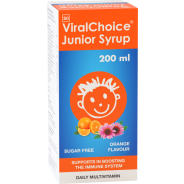
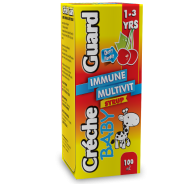
- Consider a multivitamin or immune-support supplement if appropriate.
- Avoid close contact with people who are unwell.
- Stay home when sick to reduce the spread of infection.
- Children and adults who frequently develop flu, have asthma, or a history of bronchitis or pneumonia may benefit from discussing flu vaccination with their healthcare provider.
2. Understanding the Difference Between a Cold & Flu
Although both illnesses affect the respiratory system and are caused by viruses, flu symptoms are generally more severe and develop much more quickly.
✔️ Flu:
Flu symptoms often appear suddenly and may include:
- High fever and chills
- Severe body aches and headaches
- Extreme tiredness and weakness
- Sore throat
- Runny or blocked nose
- Wet or chesty cough
- Loss of appetite
- Vomiting or diarrhoea (particularly in children)
Children with flu often appear miserable, may refuse food and fluids, sleep excessively, and have very little energy.
✔️ Common Cold:
Cold symptoms usually develop gradually and are generally milder:
- Mild fever (more common in children)
- Sore throat
- Runny or blocked nose
- Sneezing
- Mild cough
- Mild headache
Children with a cold usually remain playful and active despite their symptoms.
3. How Long Do Symptoms Last?
✔️ Flu:
- Usually lasts between a few days and two weeks.
- Most people recover within a week, although fatigue may continue for longer.
✔️ Common Cold:
- Typically lasts 7-10 days.
- Some symptoms, particularly a cough, may persist for up to two weeks.
4. Possible Complications
✔️ Flu:
- Flu can sometimes lead to serious complications such as Bronchitis, Pneumonia and Hospitalisation in severe cases.
✔️ Common Cold:
- Colds are usually mild but can occassionally lead to ear infections, sinus infections and secondary bacterial infections.
It is important to remember that antibiotics do not treat viral infections such as colds and flu. However, secondary bacterial infections may require antibiotic treatment.
5. Treating Colds & Flu at Home
Babies Under 3 Months
Young babies rarely become seriously ill from colds, but they should be monitored carefully.
Helpful measures include:
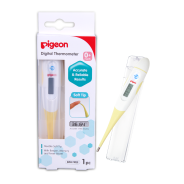
- Monitoring temperature with a thermometer
- Using infant paracetamol (Panado) for fever or discomfort as directed
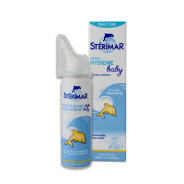
- Saline nose drops or sprays to relieve congestion
- A humidifier to keep air moist
- Extra breastfeeds or bottle feeds to prevent dehydration
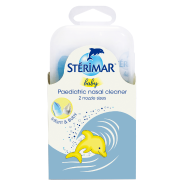
- A mucus extractor to clear nasal secretions
- Keeping baby warm and comfortable
Babies Older Than 3 Months
In addition to the above:
- Sterimar “Blocked nose” saline spray may help with nasal congestion.
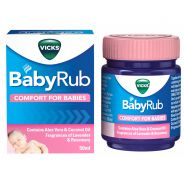
- Baby-friendly vapour products like “Baby Vicks” may provide comfort.
- A Multivitamin or Probiotic may also be beneficial.
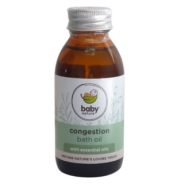
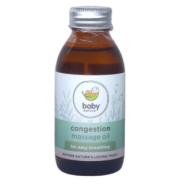
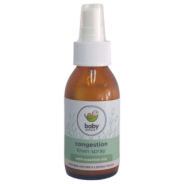
- Baby Nature products have a Congestion spray, Massage oil and Bath oil which works well and is safe to use on small babies.
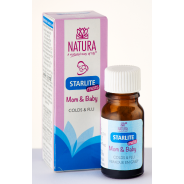
- Natura homeopathic range have two lovely products called -Cataro for congestion which is safe from birth and Starlight for colds and flu symptoms. These are tissue salts that need to be dissolved in a little boiled cool water and then given slowly to baby in the mouth with a dropper or syringe.
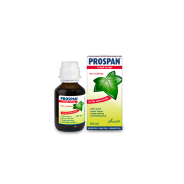
- Prospan cough mixture can be given for a cough. It is a natural product and safe to give small babies.
Children Older Than 1 Year
- Regular deworming every six months may support overall health.
- Immune boosters and multivitamins can be considered.
- Honey in warm water may help soothe a cough and sore throat (never give honey to babies under one year).
- Age-appropriate natural cough remedies may provide symptom relief.
6. Simple Home Remedies
- Encourage plenty of fluids.
- Offer soft nourishing foods such as soups, smoothies, yoghurt, porridge, mashed vegetables, and purees.
- Elevate the head slightly during sleep (for older children).
- Use tissues and dispose of them immediately after use.
- Wash hands frequently after wiping noses.
- Keep living areas well ventilated.
- Garlic may be included in meals from six months of age.
- Honey and ginger may help soothe coughs in children older than one year.
7. Danger Signs: When to Seek Medical Attention
Seek medical advice promptly if your baby or child:
- Has a fever lasting longer than two days
- Refuses feeds or fluids
- Appears unusually sleepy, floppy, or difficult to wake
- Has significantly reduced urine output
- Develops a wet, productive cough with chest congestion
- Is wheezing and has rapid breathing
- Shows chest recession (pulling in of the chest when breathing)
- Has flaring nostrils during breathing
These symptoms may indicate a more serious infection such as bronchiolitis, bronchitis, RSV, or pneumonia.
If your child develops breathing difficulties, seek emergency medical care immediately.
✏️A Note for Parents of Children Attending Creche
Children often experience frequent colds when they first start attending crèche. This is normal and occurs as their immune systems are exposed to common viruses for the first time. Although the frequent runny noses can be frustrating, most children gradually develop stronger immunity over time.
Colds and flu are common childhood illnesses that can usually be managed successfully at home with rest, fluids, symptom relief, and careful monitoring. Understanding the differences between a cold and flu, recognising warning signs, and knowing when to seek medical attention can help parents feel more confident when caring for a sick child.
Most importantly, monitor your child's overall condition. A child who is drinking well, producing wet nappies, and remaining reasonably active is generally less concerning than a child who is lethargic, refusing fluids, or struggling to breathe. When in doubt, consult your healthcare provider. Early assessment can provide reassurance and ensure that any complications are treated promptly.
-
-
-
-
-
-
-
-
-
-
-
-
-
-
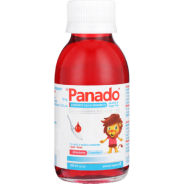 PanadoPaediatric Syrup Strawberry Alcohol & Sugar Free 100mlSpecial Price R 59.90 Regular Price R 79.90
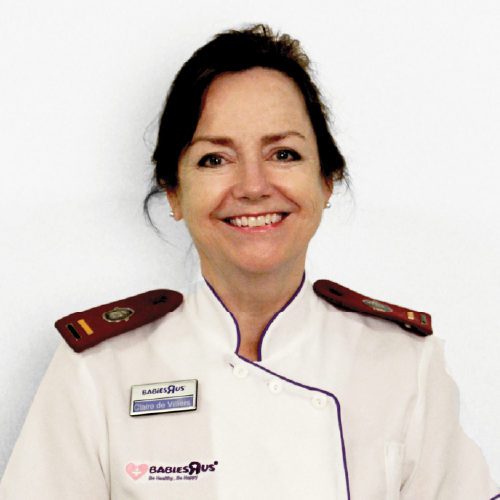
A qualified Midwife with 35 years experience. She has a passion for childcare & has been running a wellness baby clinic for many years. She enjoys supporting &advising new parents on all aspects of their little one’s development.
She also presents the Babies R Us online Antenatal Course & enjoys helping new parents prepare for their baby’s birth & parenthood

Share on Facebook

Share on X

Share on Pinterest

Share on LinkedIn


